
Odds and ends
A few updates

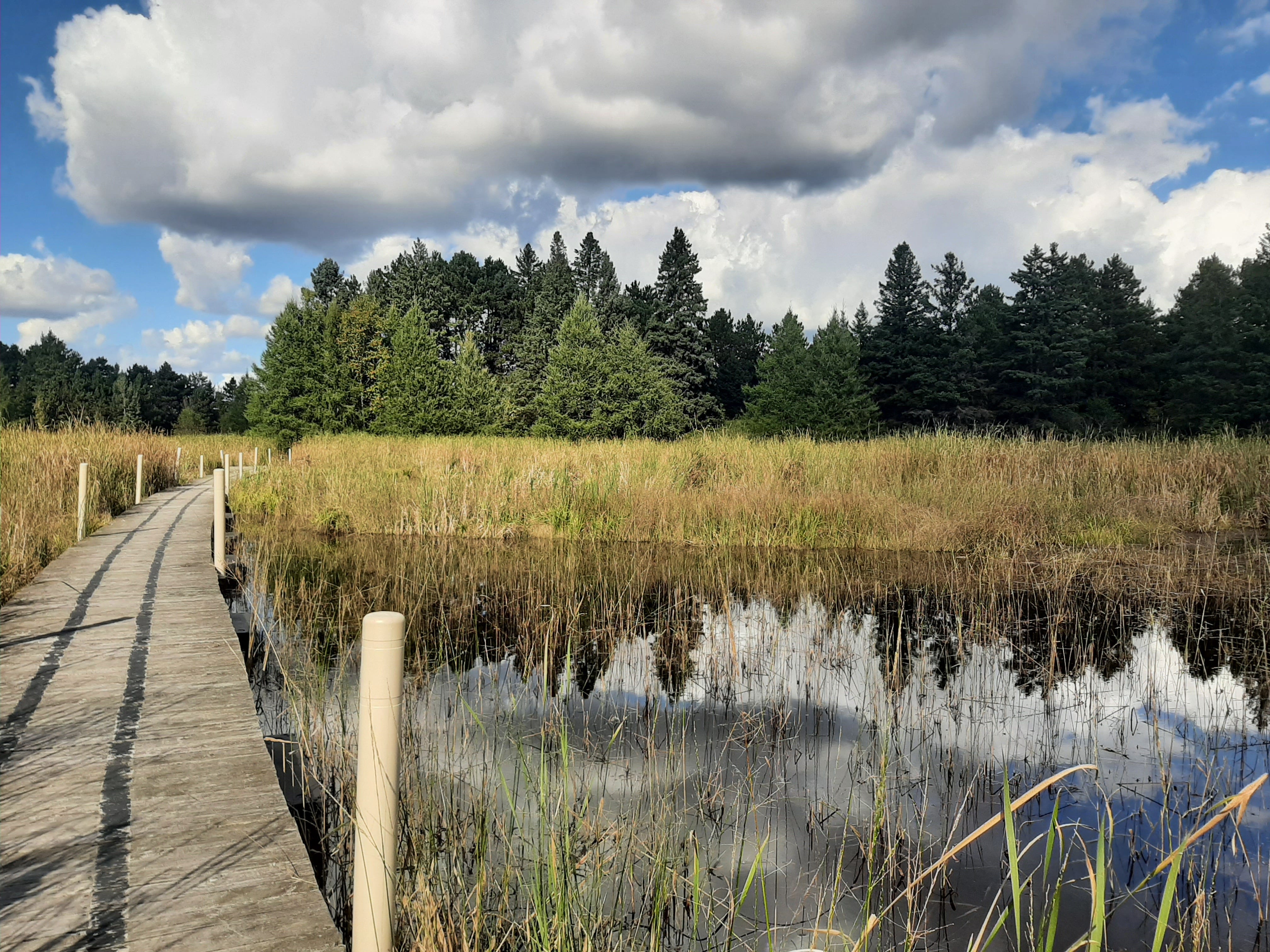
This is less of an actual post and more of a context for posts-to-come—a where I’ll be writing from this year.
But first, I’m aware that I wrote a post on comedy and writing, labeled as “Part 1,” and that the Part 2 of it has been sitting there like a homework assignment I have yet to complete. This is certainly not bothering anyone other than me, but I feel the need to flag it and say: It is an assignment that I want to do—it involves rewatching some comedy specials and writing about their narrative structure—but I have been filling the days with other things and have not come back to it, yet.
Earlier this summer, I moved from Ohio to Minnesota. I’d been spending the months before then purposefully putting the novel to the side, working on short stories and short pieces and poetry.
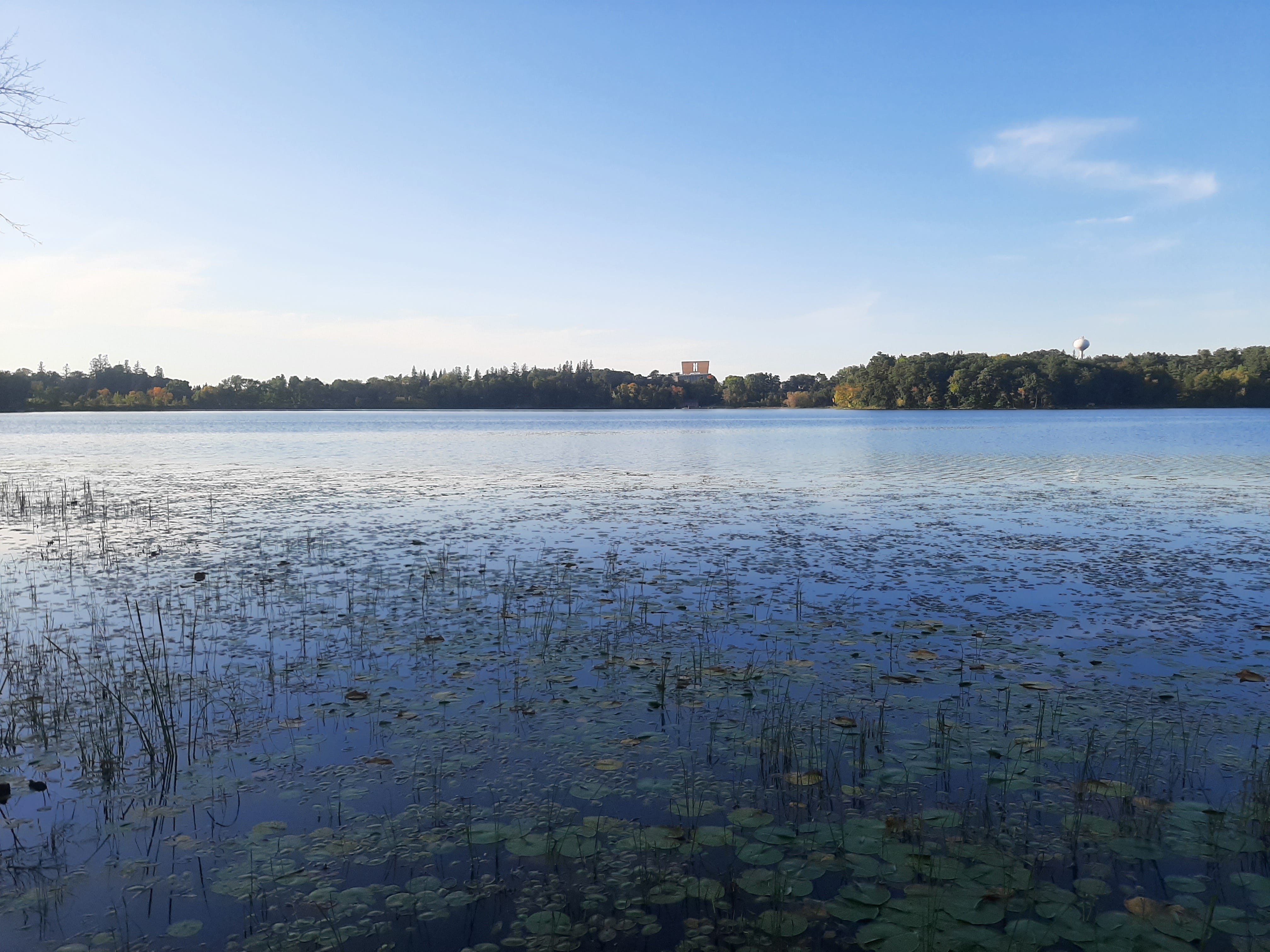
I am in Minnesota now, for a year-long writing residency at the Collegeville Institute, near St. John’s University. I was here last summer, for a short writing workshop, and it’s been wonderful to return to such a beautiful space: the woods, the lakes, the abbey. The leaves are just starting to get a tinge of color, and I’m waiting for everything to burst into fall.
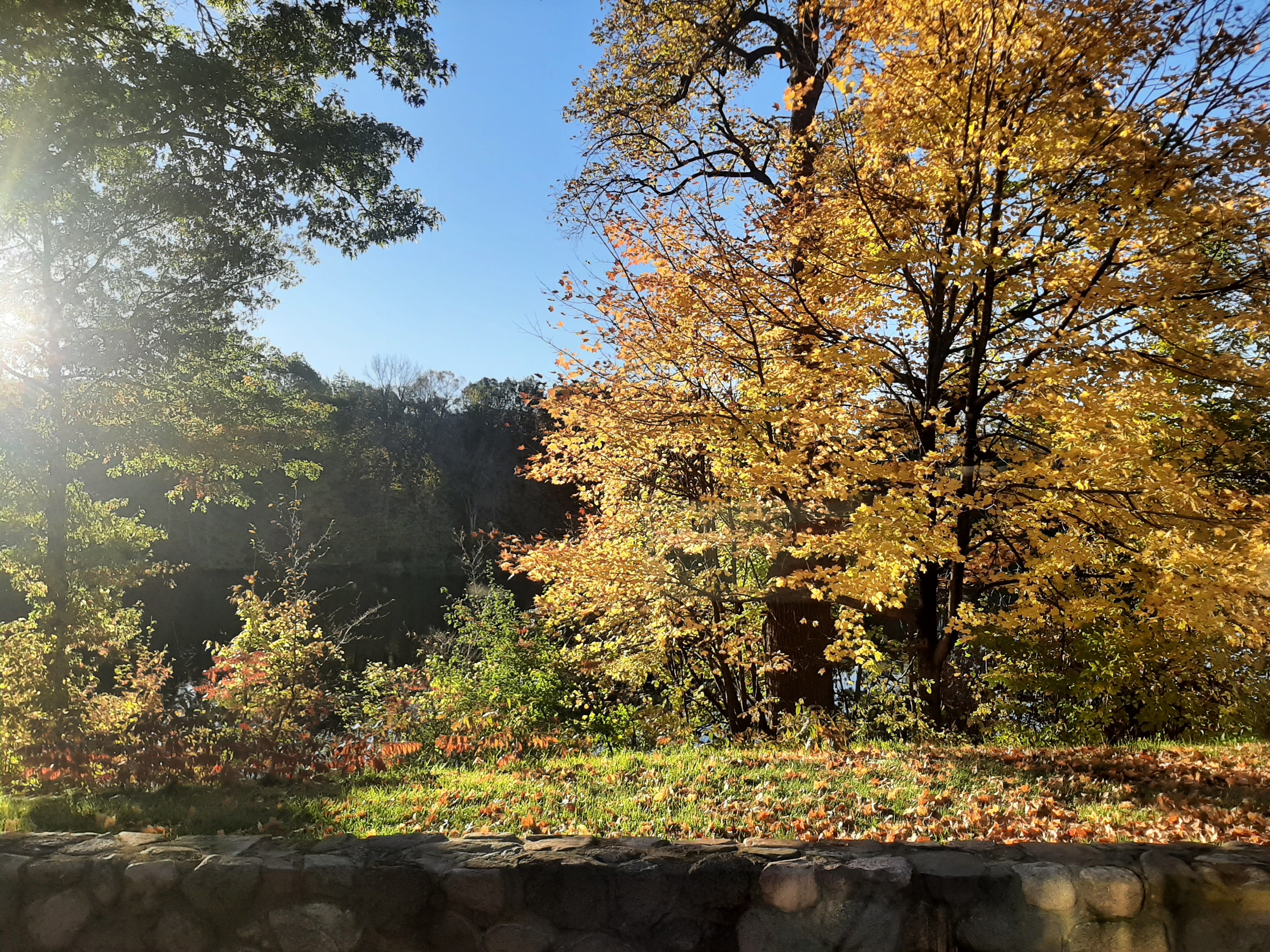
The institute supports people working on a variety of projects—my neighbors have included people working on paintings and essays, spiritual guides and poetry, a live action role-playing game on grief and a mixed-genre work that blends music and theology.
Whenever I give my address here, people either laugh or stumble over the name of the street—Ecumenical Drive—which is such a funny name for a road, but named as such because the Collegeville Institute is, itself, ecumenical, which is to say, interested in interreligious dialogue. So my fellow residents all have some religious or spiritual aspect to their work—but they come from a variety of faith backgrounds. The conversations, thus far, have been incredibly rich. The people: kind and funny and thoughtful. I have no photos from our weekly seminars and dinners, or the random grocery trips, or the cidery outing with one neighbor to listen to live music, or the trip to the Prep school up the road with another to see the junior high perform “Bernice Bobs Her Hair.” But suffice it to say: Though we all spend the majority of our days working in solitude on our respective projects, it does not feel like a solitary place.
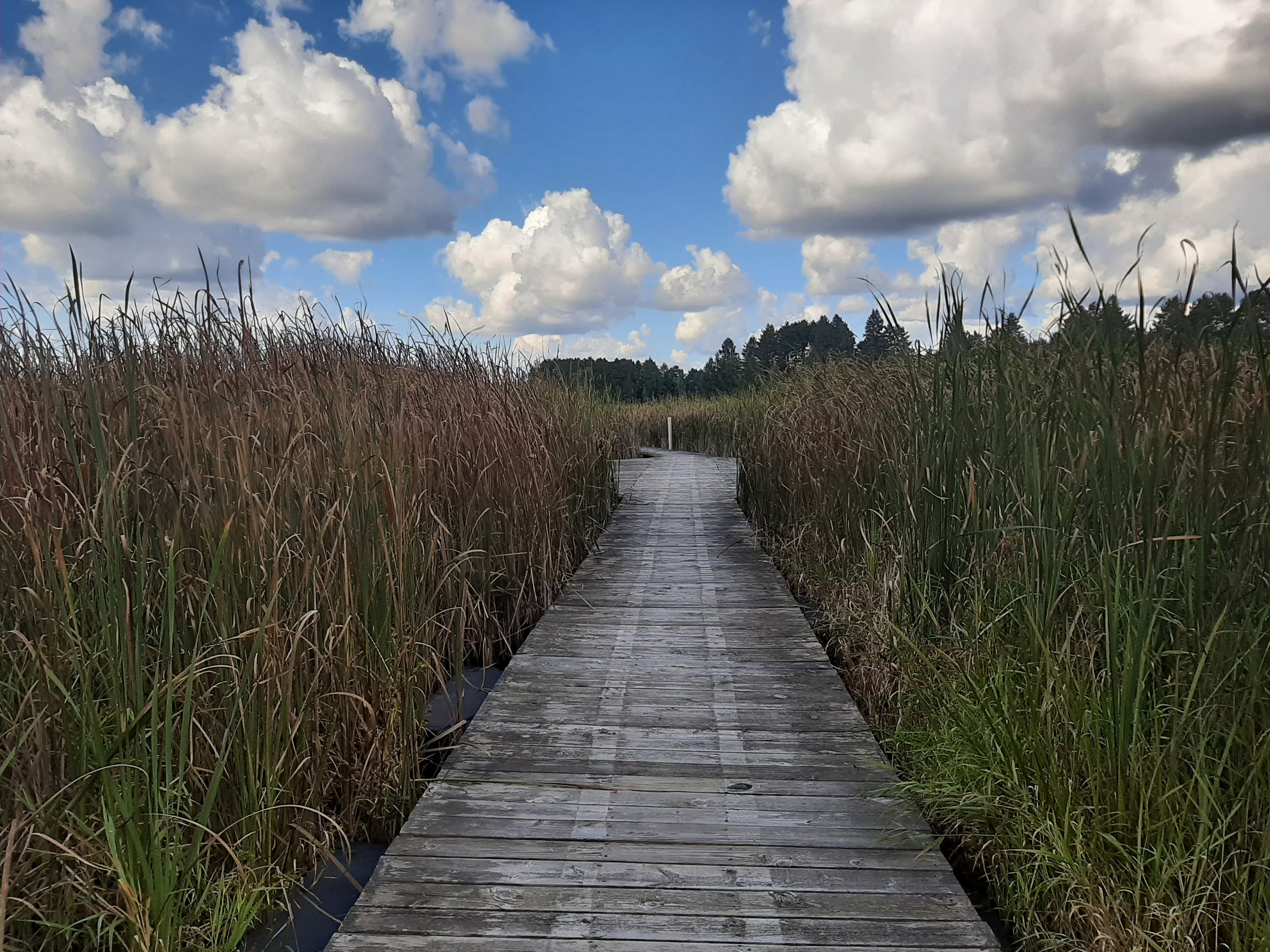
It is an incredible gift of time and space, to be able to write for a year—but also, it means that I will have less to say about the routines of writing because, well, this is not exactly a common context to speak out of. How often do we get time completely dedicated to writing? Almost never.
Summers as a teacher are not the same. They are far shorter than most people think, with half of it spent recovering from the year and the other half spent preparing for the next. It also takes time to get into the routine and flow of writing, which means (at least in my experience): Summers are wonderful for writing as a teacher, but often just as you settle into a rhythm, they are done.
So any thoughts I may have this year on novel-drafting will come with the asterisk that this is a strange context to be writing out of—one that doesn’t translate well to the usual necessity of balancing writing with the push and pull of other obligations.
I’m wary of people offering advice or thoughts from the kind of vantage point I’m in right now. In the same way that I’m wary of non-teachers talking about how a classroom should be run. It’s all very nice in theory, but unless you know how that theory intersects with practice—probably best to stay quiet.
I’m substitute teaching on the side, so I may have a little, still, to say about teaching. (From being at three different schools in three weeks, I can already say that my thoughts on prohibiting cell phones in schools are solidified.) And I will, still, have thoughts on craft and writing and process, but all with the acknowledgement that my experience drafting this novel has already looked very different from the first one I wrote, and that those differences are largely circumstantial. The first, which I wrote while teaching high school, took me seven years, mainly because it had to be written in stops and starts.
The novel I’m currently working on was drafted during my MFA program, which already afforded me far more time to write than high school teaching did. This year, I’ll be redrafting it, with a large, uninterrupted swath of time in which to do so.
This is not to say that there haven’t been some impediments and constraints, the concussion being the most obvious one. Last summer, when I was refraining from reading and writing, I drafted large portions as voice recordings on my phone, and then transcribed them in the fall. The second year of the MFA was, as a whole, slower than it otherwise would have been, with fewer usable hours in the day than I was accustomed to, particularly in the earlier months. By June, though, the headaches had subsided to far lower levels, and for a few weeks I had days with little or even no headache. But traveling from Ohio to Minnesota upended that again, along with the minor stresses of moving and end-of-summer storms. Google now autocompletes “barometric pressure St. Cloud MN,” and obligingly shows me graphs. It is oddly comforting when a migraine corresponds to a needle drop in the graph—because it is good whenever there is a narrative that makes sense, whatever that narrative might be. In truth, though, these are imperfect explanations. There’s no one reason why the headaches come or go, and finding a story that makes sense often feels like its own kind of fiction-making.
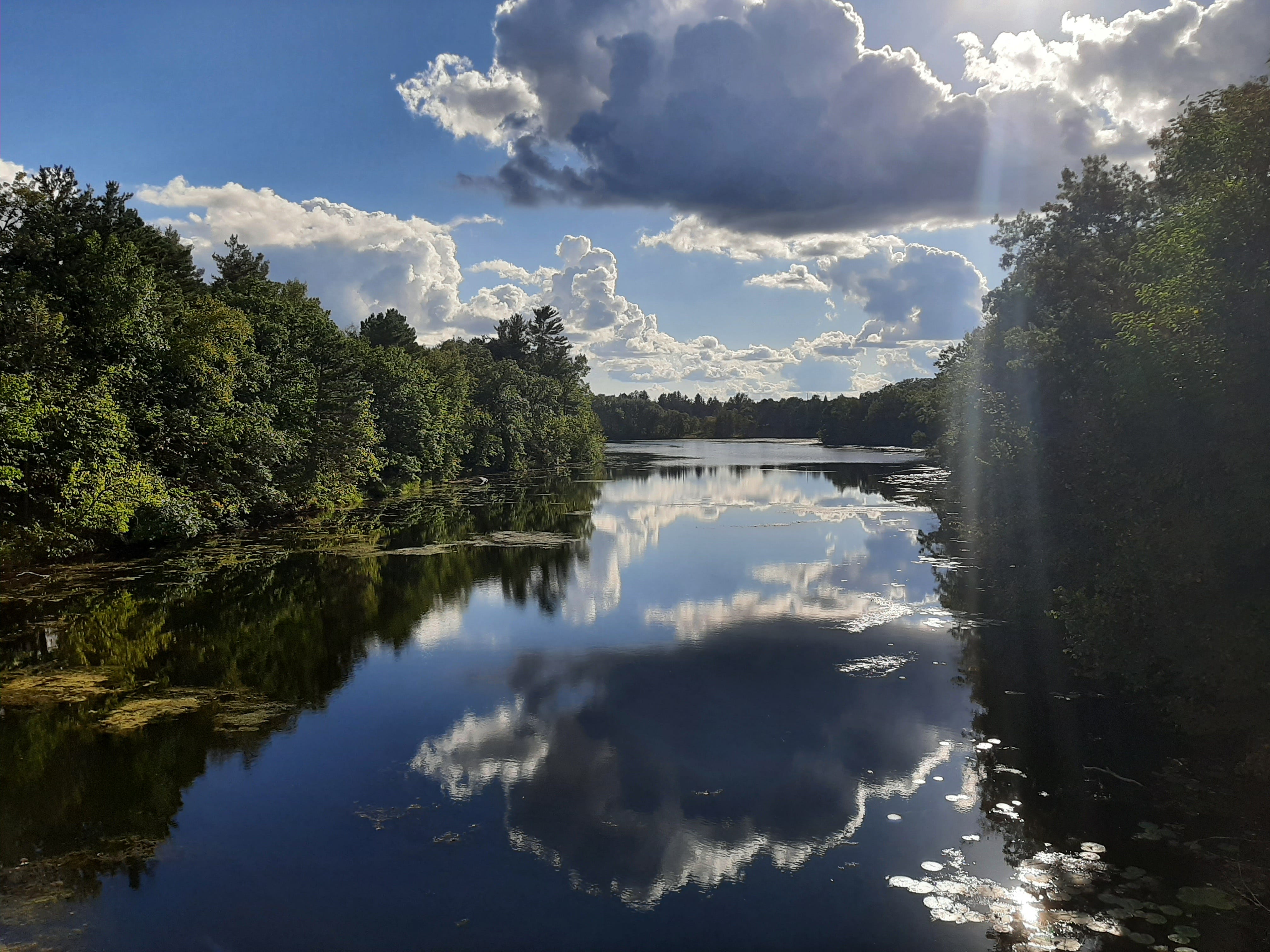
So for the first month of the residency, I’ve felt torn between gratitude for the time I’ve been gifted, and frustration that I can’t use it properly; appreciation at the beauty outside my window, and irritation or guilt as I shut the blinds on it. It is not a waste, exactly, in the same way that the second year of the MFA was not a waste, but this is the phrasing that floats through my head, particularly when I see my past teacher-self trying to squeeze writing into small pockets of time. Now, I let parts of the day drift away unused, time that she would have gladly taken—time that I will not get back.
It helps, a bit, that I am at a Benedictine university, where the abbey bells ring on the hour across the lake, where I’m reminded, on occasion, that there are other ways to think about time and labor and what it means to work in the first place.
And as October begins, I finally feel back to where I was before leaving Ohio, which is to say: I still have some sort of headache every day, but they mostly are lower-level, tension headaches or brain fog, rather than migraines. Looking back on September, I can see that I haven’t wasted the time (and that it would be foolish to blame myself if I had). Work has happened, just less of it than I wanted, slower than I wanted, not with the regularity that I wanted. I am not a naturally patient person, and all this is reminding me, again, to cultivate some of that quality in myself.
A few other odds and ends:
I started submitting writing more regularly last spring—something I’d like to talk about in a later post, both the good and the bad of this practice. But as a result, in the midst of a long slew of rejections, I’ve had some acceptances come in too, three of which were published online the last few weeks. The lengths vary wildly: one is a microfiction, one flash, and one a very long short story. Links below, in that order.
Shark tooth: “She kept them in a glass, and then jar, and then a clear vase like a neck, high on the shelf. . .”
Flash: “She could see the fork at the side of his head, a small rod connecting with the lightning inside.”
Ill at Ease: “It was a frictionless state, Death. It would sound dull to an onlooker, but I found it close to ideal.”
And lastly, for anyone who is looking for some creative writing stimulation next month: BGSU hosts an annual literary festival, Winter Wheat, from November 6-8. If you are near Bowling Green, it’s worth going in person—it’s free, and the workshops are geared towards participants generating writing, so it’s a good space to not just listen to talks about craft, but actually produce new pieces. There are also readings, an open mic, and lots of snacks. But if you’re not in Ohio, you can still attend virtually: Multiple sessions are available online (including one that I’ll be leading, on microfiction and prose poetry). Registration is open (and, again, it’s free!)
Your year at Collegeville sounds wonderful! So glad I got to meet you there last year! May your rhythms this year be lifegiving.